
Salt-Air & High-Humidity Roofing
PVC Roofing Sheets for Coastal Buildings
PVC, UPVC and ASA roofing solutions for coastal warehouses, port buildings, seafood-processing facilities, resorts, villas, aquaculture structures and roof-renovation projects exposed to salt-laden air, humidity, wind and heavy rain.
- Salt-air exposure reviewed by project
- Wind uplift and water-entry planning
- Fastener and support compatibility
- Industrial and residential profiles
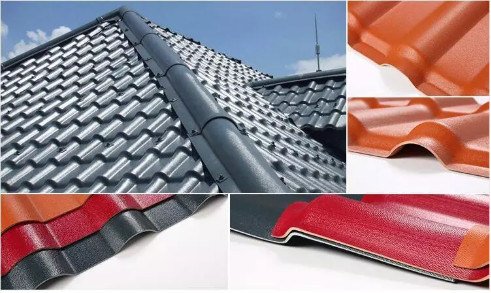
PVC and UPVC roof sheets can be considered for coastal buildings because they do not rust in the same way as unprotected steel. Decorative ASA PVC profiles may also be evaluated for villas, resorts and residential roofs where appearance is important.
Suitability still depends on the exact product grade, UV structure, salt exposure, temperature, roof profile, support spacing, local wind uplift, rainfall, fasteners, washers, seals, metal supports and installation details. A plastic roof sheet does not automatically make every other roof component corrosion-resistant.
Coastal exposure
How salt-laden air creates a complete roof-system problem
The main roofing panel, fasteners, flashings and support structure may respond differently to the same coastal environment.
Sea salt aerosol
Wind carries salt particles inland and deposits them on roofs, fasteners and supports.
Humidity and wetting
Salt absorbs moisture and can remain active during humid, foggy or rainy periods.
Concentrated deposits
Drying and rewetting cycles can concentrate salt at laps, screws, gutters and crevices.
Component corrosion
Metal fasteners, coatings, flashings and purlins may corrode even when the sheet does not rust.
Leaks and uplift risk
Loose fixings, damaged seals and corroded supports can reduce weather and wind performance.
Exposure questionnaire
Information required before selecting a coastal roof
“Near the sea” is not a complete exposure category. Provide the site and operating conditions.
Airborne salt deposition
Exposure varies with wind, terrain, surf, height and distance from the shoreline.
Uplift and wind-driven rain
Coastal storms increase demand at roof corners, edges, ridges, eaves and laps.
Solar and temperature exposure
Confirm the external weathering layer, color and thermal-movement allowance.
Fasteners and supports
The sheet may not rust, but screws, washers, flashings and purlins require separate review.
Rainfall and drainage
Roof pitch, laps, valleys, gutters and outlets must handle local rainfall and debris.
Building operation
Seafood, chemicals, livestock and hospitality buildings create different indoor conditions.
Coastal applications
Buildings to evaluate in marine environments
Six application cards use six different image URLs. Final material selection still requires project-specific review.
Port & Logistics Warehouses
Review salt deposition, wind uplift, loading docks, large roof areas and drainage.
Seafood Processing Facilities
Assess salt, humidity, cleaning chemicals, wash-down, refrigeration and indoor condensation.
Coastal Industrial Buildings
Combine marine exposure with process fumes, heat, dust and industrial maintenance requirements.
Resorts & Seaside Villas
Compare decorative ASA profiles, colors, ridges and wind-resistant roof details.
Aquaculture & Farm Buildings
Review salt air, moisture, ammonia, ventilation, cleaning and translucent roofing needs.
Coastal Roof Renovation
Inspect old metal sheets, purlins, fasteners, supports, gutters and concealed corrosion.
Product selection
Roofing products to compare by building type
Industrial, residential and translucent coastal roofs may require different product families.
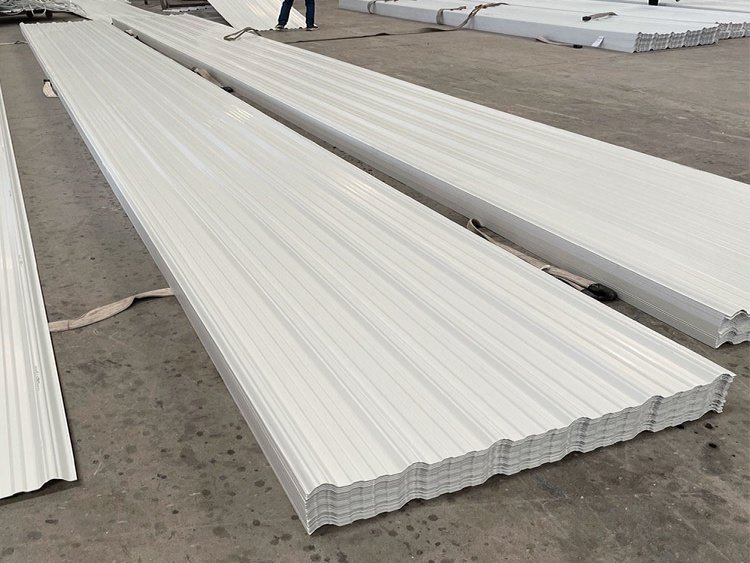
Corrugated UPVC Roof Sheet
For warehouses, workshops and industrial roofs where the exact profile, grade and fixing system can be confirmed.
View Corrugated UPVC Roof Sheets →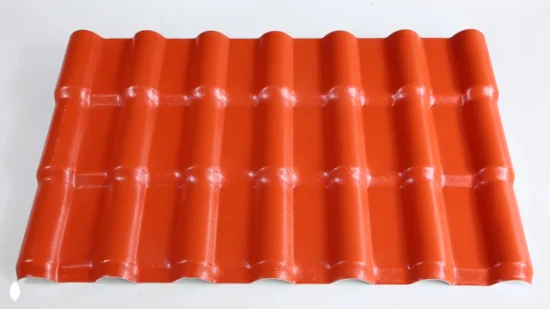
ASA Spanish PVC Roof Tile
Decorative Spanish-style roofing for villas, resorts and residential developments, subject to wind and roof-system design.
Spanish PVC Roof Tiles for Villas →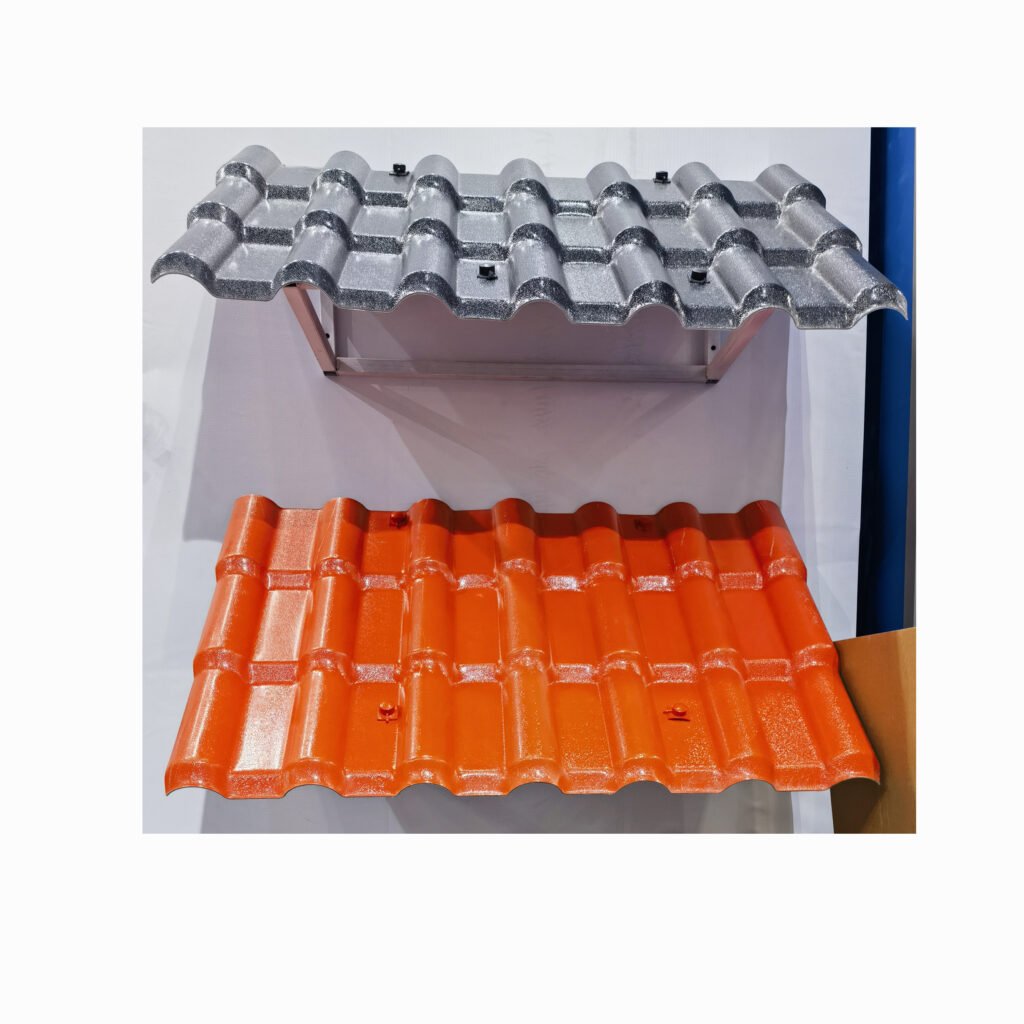
FRP Roofing Sheet
Compare resin-selected FRP when the project requires fiberglass reinforcement, translucency or another corrosion-resistant option.
Compare FRP Roofing Sheets →Reference specification
Current UPVC roofing data to confirm for coastal projects
Current website values are starting references. Coastal performance requires a complete project specification.
| Parameter | Current reference | Coastal-project confirmation |
|---|---|---|
| Material family | PVC / UPVC / ASA PVC roofing | Confirm exact formulation, weathering layer and layer structure |
| Thickness | UPVC reference: 1.5–3.0 mm | Confirm by profile, support spacing, loads and product availability |
| Total width | UPVC reference: 840 / 1050 mm | Confirm which profile each nominal width represents |
| Effective width | Profile-specific | Confirm usable coverage after side overlap |
| Profile | Corrugated, trapezoidal, Spanish or Roma | Select by building use, architecture, wind and drainage |
| Length | Standard or custom review | Coordinate slope, thermal movement, handling and shipping |
| Color | Standard or custom review | Approve physical sample and external weathering structure |
| UV/weathering evidence | Grade-specific | Request report for exact product and exposure surface |
| Support spacing | Not universal | Use profile-specific engineering and local loads |
| Fastener system | Project-specific | Confirm screw, washer, seal and support compatibility |
A non-rusting main sheet does not eliminate the need to specify metal fasteners, flashings, gutters and supports for marine exposure.
Wind and water design
Coastal roofs must resist both uplift and wind-driven rain
Edges, corners, ridges, eaves and openings often experience higher wind demand than the central roof field.
Complete roof system
Components that need separate coastal compatibility review
The most corrosion-resistant roof sheet cannot compensate for weak fasteners, damaged supports or incompatible flashing.
Main roof sheets
Confirm grade, profile, effective width, thickness, length, UV structure and color.
Fasteners
Select material or coating for marine exposure, support type and local wind demand.
Washers and seals
Confirm elastomer compatibility with UV, salt, temperature and cleaning conditions.
Ridge and flashing
Use compatible components at ridges, walls, valleys, chimneys and roof penetrations.
Gutters and drainage
Review material, jointing, supports, outlets, standing water and salt accumulation.
Purlins and frame
Inspect or specify the supporting structure separately for the marine environment.
Translucent sections
Match daylight sheets by profile and confirm exposure, fastening and fire requirements.
Maintenance access
Provide supported walkways and inspection access without loading unsupported sheets.
Fastener selection
Do not select screws by the word “stainless” alone
Fastener alloy, coating, thread, washer, support material, crevice exposure and local salt deposition all influence performance.
- Fastener alloy or coating
- Support material
- Galvanic compatibility
- Washer and seal grade
- Roof-zone fastening density
- Drilling-hole allowance
- Tightening control
- Inspection and replacement plan
Testing and evidence
Salt-spray hours are not a service-life warranty
Accelerated salt-spray tests can compare coatings or components under a defined method, but actual performance also depends on wet/dry cycles, UV, temperature, deposits, crevices, cleaning and installation.
- Test standard and edition
- Sample preparation
- Coating thickness
- Exposure duration
- Failure criteria
- Cut-edge condition
- Comparison product
- Field-inspection plan
Material comparison
UPVC vs ASA PVC vs coated metal vs FRP in coastal projects
Match the material to building use, architecture, structure, wind, salt exposure, fire rules and maintenance strategy.
| Selection factor | Corrugated UPVC | ASA PVC Tile | Coated Metal | FRP Roofing |
|---|---|---|---|---|
| Primary use | Industrial warehouses, workshops and utility buildings | Villas, resorts and decorative pitched roofs | Industrial, commercial and residential metal-roof systems | Industrial, translucent or resin-selected corrosion applications |
| Red rust | Main plastic sheet does not develop steel red rust | Main plastic tile does not develop steel red rust | Coating damage, cut edges and fasteners can expose metal | Does not rust like steel; resin and reinforcement control performance |
| Coastal priority | Profile, UV grade, supports, fasteners and wind details | Appearance, UV layer, wind fastening, ridges and edges | Substrate, coating system, cut edges, fasteners and maintenance | Resin grade, glass structure, surface protection and profile data |
| Daylighting | Combine with matched translucent panels | Normally opaque decorative roof | Combine with compatible skylight panels | Translucent FRP profiles may be available |
| Structural design | Use the selected UPVC profile data | Use the selected tile-profile and support data | Use the selected metal deck or panel system data | Use the selected resin/reinforcement profile data |
| Best next page | UPVC product page | Villa roofing page | Request a coastal coating specification | FRP product page |
Quality control
Inspection points for coastal roofing orders
Agree on the product specification, component materials and acceptance criteria before production.
Material identification
Record the exact PVC, UPVC, ASA or FRP grade and layer structure.
Profile dimensions
Verify total width, effective width, wave geometry, length and overlap fit.
Thickness inspection
Measure finished thickness using agreed locations and tolerance.
Surface and color
Inspect deformation, bubbles, cracks, scratches, edges and color consistency.
UV/weathering evidence
Confirm the report, product grade, exposure surface and acceptance criteria.
Fastener documentation
Record alloy, coating, washer, seal and salt-test evidence when required.
Accessory matching
Trial-fit ridges, flashing, translucent panels and closures with the main profile.
Wind-detail review
Verify fastener layout, edge zones and installation instructions against the design.
Packing inspection
Protect surfaces and edges, label lengths and separate accessories for loading.
Project evidence
Use a verified coastal roofing case-study format
Do not invent salt exposure, service life or storm performance. Replace this template only with real project records.
RFQ checklist
Send the marine exposure and roof data together
A complete RFQ allows the factory to review product, profile, fasteners, wind details and packing.
- Project country, city and site
- Distance from shoreline
- Prevailing wind and direct sea spray
- Building use
- Building dimensions
- Roof plan and section
- Roof pitch
- Eave, ridge, hip and valley lengths
- Support material and spacing
- Local design wind requirements
- Existing or required profile
- Thickness and color preference
- UV/weathering requirements
- Fastener and washer requirements
- Ridge, flashing and gutters
- Translucent roofing requirement
- Order quantity
- Destination port
Related roofing pages
Continue through the coastal roofing content cluster
All internal links are already written into the HTML.
Frequently asked questions
Coastal roofing purchasing questions
They can be evaluated because the main plastic sheet does not rust like steel. Confirm the grade, UV structure, profile, supports, fasteners, local wind and complete coastal exposure.
Compatibility should be confirmed for the exact formulation and project. The main UPVC sheet may not rust, but metal fasteners, flashings and supports require separate marine-environment review.
The website currently publishes a 1.5–3.0 mm UPVC reference range. Select thickness with the profile, supports, local wind, building geometry and approved engineering data.
There is no universal answer. Select the alloy or coating, washer and seal according to salt exposure, support material, galvanic compatibility, wind design and maintenance plan.
No. It provides comparative accelerated-test information under defined conditions. Actual performance also depends on UV, temperature, wet/dry cycles, deposits, crevices, installation and cleaning.
They may be considered after checking the selected ASA grade, roof pitch, local wind, supports, fasteners, ridges, edges, drainage and color sample.
Yes, when the translucent product is suitable for the environment and matches the opaque sheet’s profile, overlap, fastening, thermal movement and fire requirements.
Use the local design standard, building height, terrain and roof geometry. Edge, corner, ridge and eave zones may require different fastening details.
They can be evaluated after inspecting the existing frame, purlins, corrosion, drainage and structural safety. Do not cover damaged supports without repair.
Use effective width, every slope length, side and end overlaps, ridges, hips, valleys, penetrations, cut areas and an agreed project allowance.
Maintenance depends on product and site conditions. Establish a safe inspection and cleaning plan for salt deposits, gutters, fasteners, flashings and supports.
Provide the location, shoreline distance, wind exposure, building use, roof drawing, supports, profile, thickness, color, fasteners, accessories, quantity and destination port.
Request a coastal PVC roofing quotation
Send the project location, salt and wind exposure, roof drawing, selected profile, fasteners, accessories, quantity and destination port.