
Industrial & Anti-Corrosion Roofing
Corrugated UPVC Roof Sheet Manufacturer
Custom corrugated and trapezoidal UPVC roofing sheets for factories, warehouses, livestock farms, agricultural buildings and projects where moisture or corrosive exposure must be considered.
- Corrugated and trapezoidal profiles
- Custom colors and lengths
- Profile and overlap review
- Export packing support
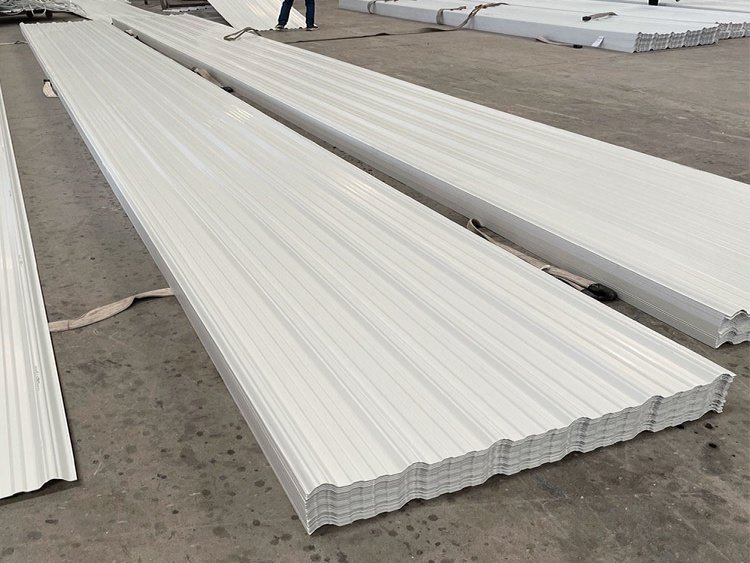
A corrugated UPVC roof sheet is a rigid plastic roofing panel formed into a corrugated or trapezoidal profile. The profile provides drainage and structural shape, while the UPVC material is selected for lightweight handling, moisture resistance and resistance to selected corrosive environments.
Final performance depends on the formulation, layer structure, thickness, roof profile, support spacing, fasteners and local project conditions. Buyers should confirm the complete specification rather than selecting a sheet only by thickness or product name.
Product specifications
Published reference range and project-specific data
The values below separate currently published reference data from details that must be confirmed for a specific profile.
Currently published anti-corrosion sheet reference
Use these values only as an initial product-range reference. Confirm them against the latest factory datasheet before ordering.
Confirm these details for every quotation
The same nominal width can represent different wave geometry and effective coverage. Send a profile drawing or sample.
Profile options
Choose the roof profile before selecting dimensions
Profile compatibility affects coverage, overlap, accessories, fastener placement and installation efficiency.
Corrugated UPVC Sheet
Wave-shaped roofing for factories, warehouses, agricultural buildings and roof renovation.
- Confirm wave pitch and wave height
- Confirm total and effective width
- Match side and end overlap
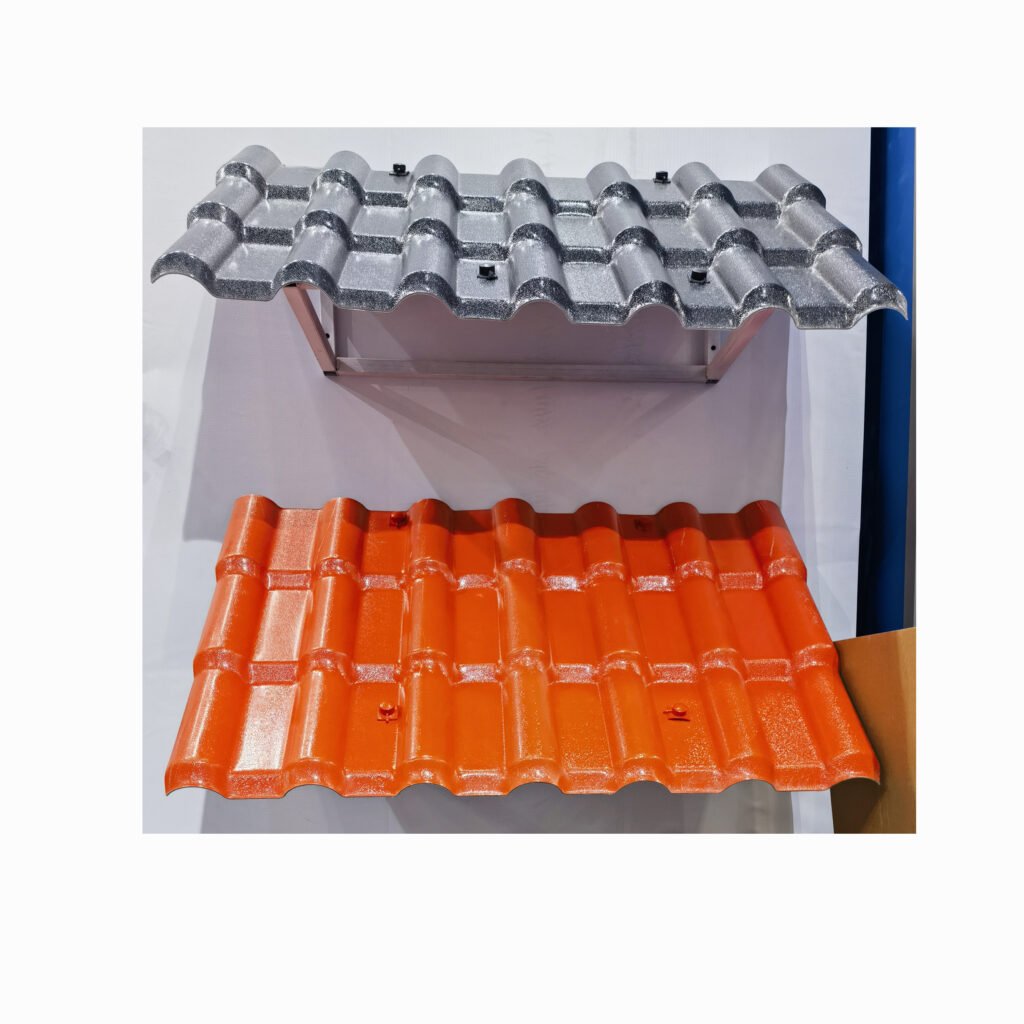
Trapezoidal UPVC Sheet
Angular ribs for industrial and commercial roofs where profile geometry must match the support layout.
- Review rib depth and pitch
- Coordinate fastener locations
- Confirm matching flashing

Matching Translucent Sheet
A daylight sheet may be combined with opaque UPVC roofing only when wave geometry and overlap are compatible.
- Match wave pitch and height
- Confirm light-transmission grade
- Review thermal expansion
Material comparison
UPVC roofing compared with ASA PVC and metal sheets
The best material depends on appearance, corrosion exposure, support structure, budget and required test performance.
| Selection factor | Corrugated UPVC Sheet | ASA PVC Roof Tile | Coated Metal Roofing |
|---|---|---|---|
| Main positioning | Industrial, agricultural and anti-corrosion roofing | Decorative or weather-resistant plastic roofing | General structural roofing with coated steel or aluminum |
| Surface / structure | UPVC or multi-layer plastic structure by grade | ASA weathering surface over PVC/UPVC substrate | Metal substrate with metallic and paint coating |
| Corrosion consideration | Useful for selected acid, alkali, moisture or ammonia environments; compatibility must be verified | Depends on substrate and layer structure | Depends on coating system, cut edges and maintenance |
| Appearance | Corrugated or trapezoidal industrial profile | Spanish, Roma, corrugated or tile profile | Corrugated, trapezoidal, standing seam or tile profile |
| Daylighting | Opaque; compatible translucent strips may be added | Opaque | Opaque; separate skylight strips required |
| RFQ priority | Profile, thickness, coverage, corrosion conditions, span | Profile, ASA structure, color, thickness, dimensions | Metal grade, coating, thickness, paint system, profile |
Key performance
What buyers should verify—not just claim
Corrosion compatibility
Identify the chemical, concentration, temperature, exposure method and cleaning process before material selection.
Profile strength
Profile depth, pitch, thickness and support spacing work together; thickness alone does not define roof capacity.
Weathering performance
Confirm the selected grade, UV formulation, test method and warranty conditions for long-term outdoor use.
Impact performance
Request a defined test method and sample condition instead of relying on vague “high impact” wording.
Thermal movement
Installation holes, fasteners and overlap must allow for temperature-related expansion and contraction.
Fire documentation
Ask for the applicable standard, product grade, report number and tested thickness when fire performance matters.
Applications
Corrugated UPVC roofing by project environment
Each environment requires different questions about corrosion, ventilation, daylight, loads and maintenance.
Chemical Plants
Define acid, alkali, salt, fumes, temperature and exposure frequency before selecting the grade.
Warehouses
Coordinate long sheet lengths, coverage width, translucent strips and loading efficiency.
Livestock Farms
Review moisture, ammonia, ventilation, cleaning chemicals and interior condensation.
Industrial Workshops
Match the roof profile to the support structure and coordinate fasteners, ridge caps and flashing.
Agricultural Buildings
Select profile and color according to roof span, climate, storage conditions and installation method.
Coastal Projects
Consider salt exposure, wind uplift, fastener material and long-term maintenance requirements.
Manufacturing process
From profile confirmation to finished roof sheets
Production should begin only after the roof profile, dimensions, structure, color and inspection requirements are approved.
Quality control
Inspection points for an import order
Agree the sampling method, tolerance and acceptance standard before production.
Material and batch identification
Record the approved product grade, color and production batch for traceability.
Thickness measurement
Measure agreed positions and compare results with the signed specification.
Profile geometry
Check wave pitch, height, total width, effective width and side overlap.
Surface and color
Inspect bubbles, cracks, deformation, scratches and color consistency.
Length and squareness
Verify finished length, cutting quality and sheet alignment.
Project-specific tests
Use defined methods for impact, weathering, fire or chemical resistance when required.
Installation planning
Four details that should be resolved before shipment
Support spacing
Use the selected profile, design loads and engineering requirements to determine purlin spacing.
Side and end overlap
Confirm effective coverage and water flow according to roof pitch and local rainfall.
Fasteners and washers
Select compatible materials and allow for thermal movement without crushing the sheet.
Ridge and flashing
Coordinate ridge caps, side flashing, eaves details and sealing components with the profile.
Packing and loading
Container quantity depends on the complete order configuration
Loading quantity changes with profile depth, thickness, sheet length, nesting efficiency, packing protection and accessory volume.
- Bundle or pallet packing
- Edge and surface protection
- Shipping marks
- Accessory consolidation
- Loading sequence
- Container length limits
Information required
Receive a realistic loading proposal
Send profile, thickness, length mix, quantity, packing preference and destination port. The factory can then calculate a profile-specific loading plan instead of quoting one generic container quantity.
Project cases
Use evidence-based case information
Replace the templates below with real project country, profile, thickness, quantity and production or installation images.
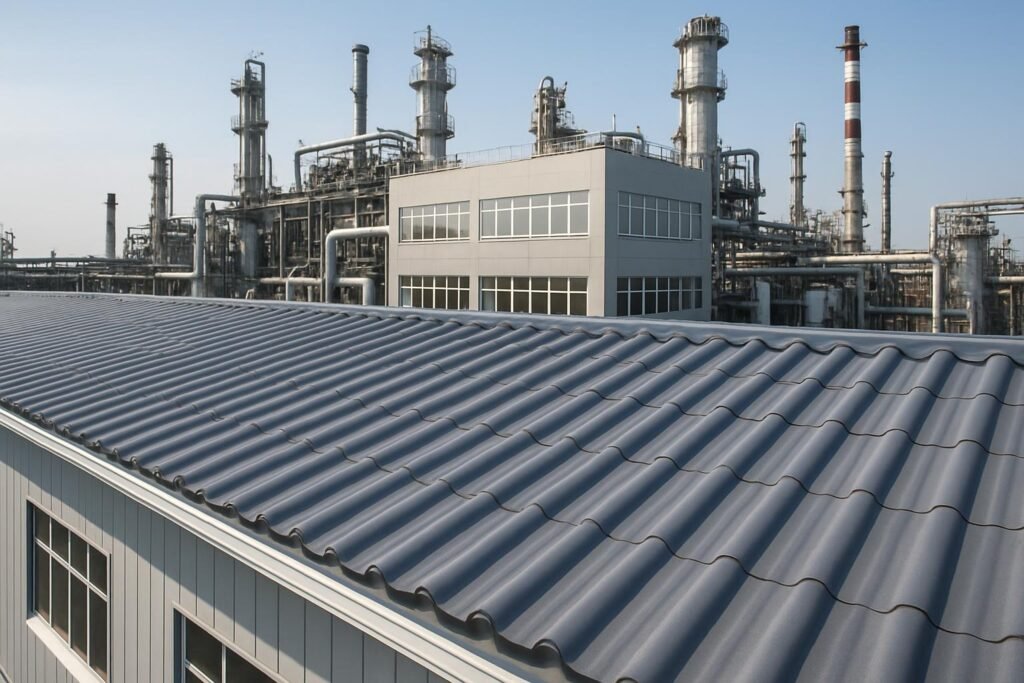
Chemical Plant Roof Replacement
Show how the corrosive environment was defined and how the selected product grade was verified.
- Country
- Add real country
- Product
- Add profile and grade
- Quantity
- Add actual square metres
- Evidence
- Production, loading and installed roof photos
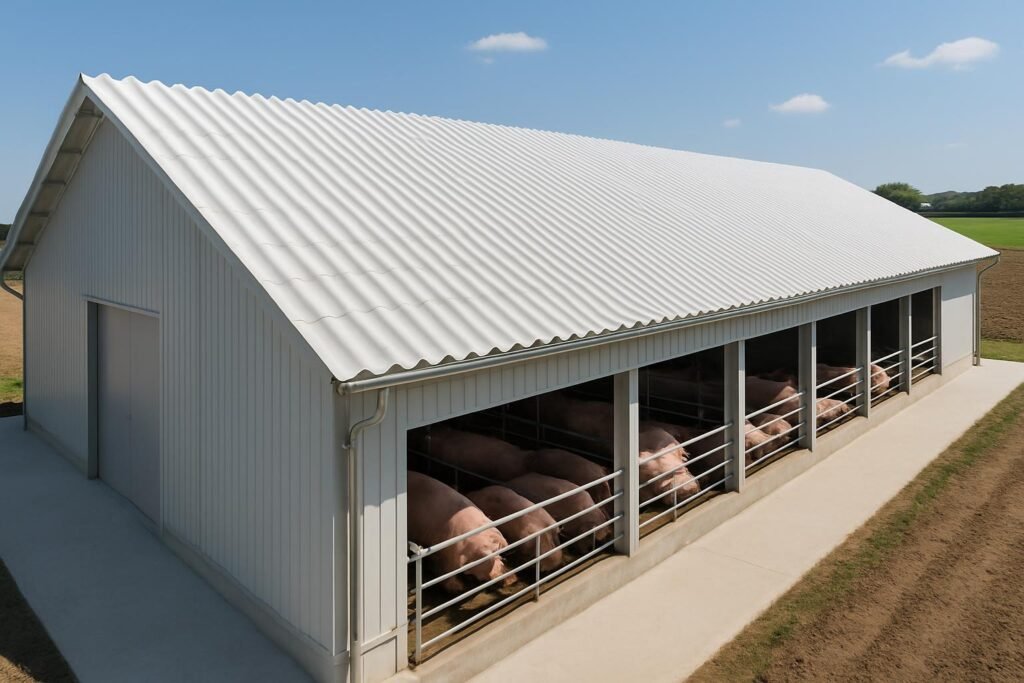
Livestock Farm Roofing
Document moisture, ammonia, ventilation, cleaning and roof-support requirements.
- Country
- Add real country
- Product
- Add profile and thickness
- Quantity
- Add actual square metres
- Evidence
- Drawing, inspection and installed roof photos
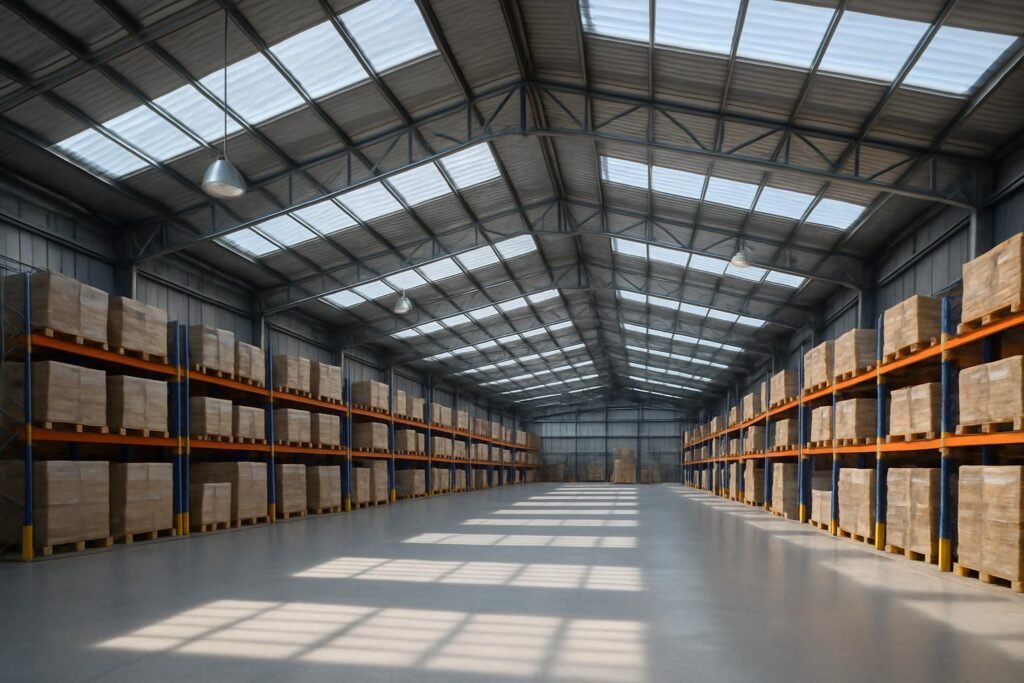
Warehouse Roofing Supply
Explain profile matching, sheet-length planning, daylight sections, packing and loading.
- Country
- Add real country
- Product
- Add profile and color
- Quantity
- Add actual square metres
- Evidence
- Production, bundles, container and roof photos
Customization
What can be reviewed for your order?
Custom capability depends on profile tooling, material grade, color, length and order quantity.
- Corrugated profile
- Total and effective width
- Thickness
- Sheet length
- Color reference
- Layer structure
- Ridge and flashing
- Packing and labels
RFQ checklist
Send enough information for an accurate quotation
Include application, country, chemicals or exposure, roof drawing, profile, thickness, width, length, color, quantity, accessories and destination port.
Buyer resources
Build the UPVC roofing content cluster
Publish these as separate resources and link them to this commercial page.
UPVC Roofing Sheet vs Metal Roofing
Compare corrosion, weight, coating maintenance, noise, profile and installation.
How to Choose UPVC Roof Sheet Thickness
Explain why profile shape, support spacing and design loads matter with thickness.
UPVC Roof Sheet Sizes and Effective Width
Show how side overlap changes actual roof coverage and order quantity.
Best Roofing for Chemical Plants
Build a material-selection framework using actual chemicals and temperatures.
Corrugated UPVC Roof Installation Guide
Cover support, overlap, drilling, fasteners, expansion and flashing.
How to Inspect UPVC Roofing Sheets
Provide a pre-shipment checklist for profile, dimensions, surface and packing.
Frequently asked questions
Corrugated UPVC roof sheet purchasing questions
UPVC is rigid, unplasticized PVC. Product performance still depends on formulation, layer structure, profile, thickness and testing, so compare complete specifications rather than relying on the name alone.
The website currently publishes a 1.5–3.0 mm reference range for the PVC anti-corrosion sheet. Confirm the latest range and tolerance for the selected profile before ordering.
The website currently publishes 840 mm and 1050 mm total-width references. Effective coverage must be confirmed because it depends on profile geometry and side overlap.
Profile matching can be reviewed from a dimensioned drawing, clear cross-section image or physical sample. Provide wave pitch, wave height, total width and effective width.
Suitability depends on the exact chemical, concentration, temperature, exposure method and product grade. Provide the environment details so compatibility and testing requirements can be reviewed.
Consider profile shape, purlin spacing, wind and snow loads, roof pitch, fastener layout and local structural requirements. Thickness should not be selected from building type alone.
Yes, only when the wave profile and overlap are compatible. Also review thermal expansion, light-transmission grade, drilling and fastening requirements.
Customization can be reviewed according to profile, production setup, quantity and container limits. Approve color using a physical sample or agreed reference.
Matching ridge, flashing and fastening components can be reviewed according to the selected profile and roof drawing.
Quantity depends on profile depth, thickness, length mix, nesting efficiency, packing method and accessory volume. Request a profile-specific loading calculation.
Provide application, country, exposure conditions, roof drawing or profile, thickness, width, length, color, quantity, accessories, packing requirement and destination port.
Sample and documentation availability should be confirmed for the selected grade. State the required test standard or buyer specification in the RFQ.
Request a corrugated UPVC roof sheet quotation
Send your roof profile, exposure conditions, dimensions, color, quantity and destination port for product, profile and packing review.